


Clinical Canine Massage
in North Essex, North Hertfordshire & Cambridgeshire
Supporting better movements and wellbeing
Clinical Canine Massage Therapy can help rehabilitate soft tissues, supporting recovery from injuries such as strains and sprains and the management of orthopaedic conditions such as hip dysplasia and arthritis. It can also support sporting and working dogs in maintaining optimal muscular function. For senior dogs, Clinical Canine Massage Therapy can help reduce muscular tightness, support mobility and make everyday movement more comfortable.
By working with the whole body and considering the individual needs of each dog, Clinical Canine Massage Therapy can support comfortable movement and muscular function, while helping to enhance the body's natural ability to recover.
Subtle changes in your dog’s movement, activity or behaviour can sometimes be easy to miss. You may simply put them down to ageing or think that nothing is wrong because your dog isn’t crying or showing obvious signs of pain.
Dogs can express pain and discomfort in many different ways. By using the 5 Principles of Pain — gait, posture, activities of daily living, behaviour and performance — we can identify changes that may indicate musculoskeletal discomfort or dysfunction.
5 principles of pain
(examples)
● Gait
- hopping, limping, and stiffness
● Posture
- kyphosis and coat changes
● Activities of Daily Living
- pacing and slowing down on walks
● Behaviour
- snapping and excessive licking or nibbling themselves
● Performance
- early onset fatigue
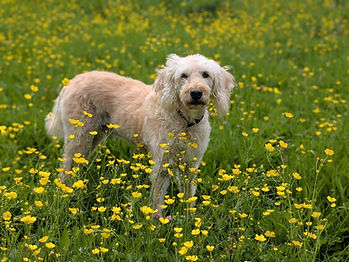
Does my dog benefit from a massage?

How Clinical Canine Massage helps dogs
Relieve pain and
promote comfort
Release tension
Improve mobility
Boost energy
Promote healing
Result you can see and your dog can feel

What you may notice
in your dog after massage
● More eager to go for walks
● Moving more comfortably
● Increased movements and activities
● More willing to Jump onto furniture
● Willing to do more activities
● More engaged with daily activities
● Appearing happier
● Increased appetite
● Sleeping more comfortably
● More relaxed and settled
● Spending more time with family
● More sociable around other dogs

Learn more about Clinical Canine Massage

Veterinary Consent Form
As a responsible canine massage therapist, I work in accordance with the Veterinary Surgeons Act 1966 and the Veterinary Surgery (Exemptions) Order 2015. A veterinary consent form is required before I can provide hands-on therapy to your dog.
Please download the form, complete the owner section and take it to your vet to sign. Please send the completed form back to me before your dog’s first treatment.
Treatments & prices
● Initial treatment 75 minutes £ 60
Full consultation, gait and posture assessment, followed by massage.
Massage lasts approximately 40 - 50 minutes.
● Follow-up treatment 60 minutes £ 55
Short consultation and review, followed by massage.
Massage lasts approximately 40 - 50 minutes.
A small travel charge will apply if further 15 miles radius from Royston.
A cancellation fee may apply to cancellations made with less than 24 hours' notice.